TMJ & Jaw Pain
A night guard is the most common thing patients are handed for jaw pain, and for some it helps. But the wrong guard, or a guard for the wrong problem, can actually make TMJ symptoms worse. Here’s why design matters.

A typical night guard is a plastic layer that separates your upper and lower teeth. Its main job is to protect tooth surfaces from the forces of grinding (bruxism).
Protecting enamel is useful. But tooth protection is not the same as treating a jaw joint or muscle problem, and that’s where many one-size-fits-all guards fall short.
A poorly designed or over-the-counter guard can change how your teeth meet in ways that push the jaw into a more strained position. Some guards encourage the jaw to drop back, narrowing the airway and worsening sleep. Others are so bulky they trigger more clenching, not less.
When that happens, patients often report waking with more soreness, more headaches, or new clicking, the opposite of what they hoped for.
An appliance should be designed for your specific problem and your specific jaw. That means first understanding whether your issue is muscular, joint-based, bite-related, airway-related, or a combination.
At Root Cause Dental Group, appliances are custom-designed and adjusted to support a healthy jaw position, not just to cover teeth. The difference between a generic guard and a purpose-built orthotic is often the difference between frustration and relief.
Don’t stop abruptly without guidance, but if your guard seems to worsen pain, headaches, or sleep, it’s worth having it, and your diagnosis, reviewed.
They can protect enamel short-term, but they’re not designed for your individual jaw and can unintentionally worsen a TMJ or airway problem.
A properly diagnosed, custom appliance designed to support a stable, comfortable jaw position, sometimes combined with laser therapy or other care.
A note from our team. This article is for general education and isn’t a substitute for an individual assessment. The right path always starts with understanding your root cause. Book a consultation to talk through your symptoms with us.
Keep Reading

Understanding the source of jaw pain is the first step toward relief.
Learn More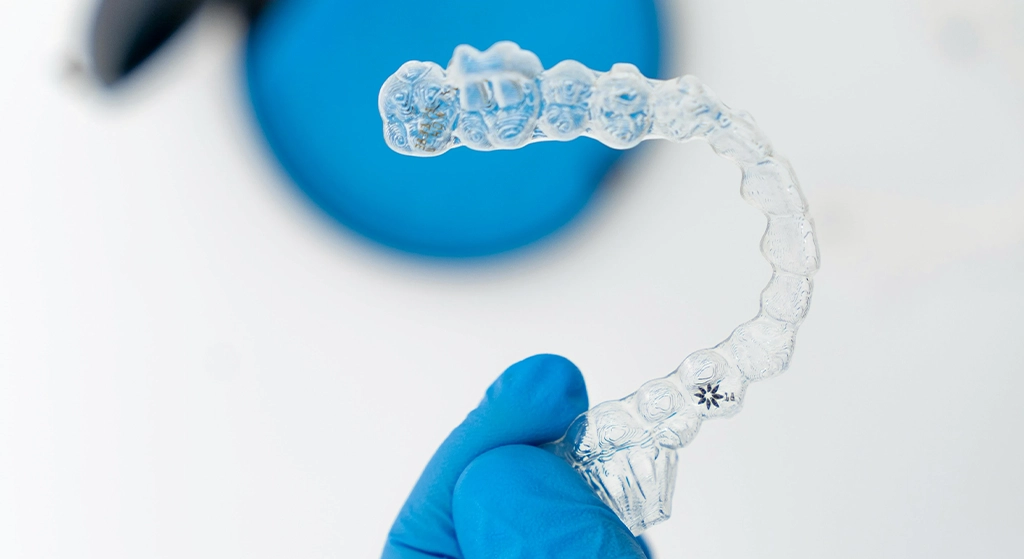
Learn when clear aligners may help, when TMJ stabilization should come first, and why diagnosis matters before treatment.
Learn More
Learn why bite changes can occur during TMJ treatment and why they often signal a healthier jaw position.
Learn MoreBook your consultation and take the first step toward real, lasting relief.
