TMJ & Jaw Pain
Jaw pain can feel mysterious, clicking, aching, headaches, or a jaw that just won’t cooperate. This simple guide explains what TMJ disorder really is and why finding the source matters more than chasing the symptom.

The temporomandibular joints (TMJ) are the two hinges that connect your lower jaw to your skull, just in front of your ears. They are among the most-used and most complex joints in the body, working every time you talk, chew, yawn, or swallow.
When those joints, the muscles around them, and your bite stop working in harmony, the result is a temporomandibular disorder, or TMD. “TMJ” is the joint; “TMD” is the dysfunction, though most people use the term TMJ for both.
TMD rarely shows up as one tidy symptom. It tends to appear as a cluster of issues that may seem unrelated at first.
The jaw doesn’t work in isolation. Its position is influenced by your bite, your airway, your head and neck posture, and even how you breathe and sleep. That’s why treating only the painful spot, with a generic night guard or pain medication, so often fails to provide lasting relief.
At Root Cause Dental Group, we look at how all of these systems connect. Understanding the source of your jaw pain is the first step toward treatment that actually lasts.
Care begins with a thorough assessment of your joints, muscles, bite, and airway. From there, we may use a custom orthotic appliance to gently reposition the jaw, targeted laser therapy to calm inflamed tissue, and a collaborative plan that can include physiotherapy or other providers when it helps your outcome.
The goal is never to mask discomfort, it’s to restore a stable, comfortable jaw position so your symptoms ease and stay eased.
Mild, short-lived jaw soreness sometimes settles with rest. But recurring pain, clicking, or headaches usually signal an underlying mechanical issue that benefits from proper diagnosis before it worsens.
Very rarely. The vast majority of TMD cases respond well to conservative, non-surgical care that addresses the root cause, which is exactly our focus.
It varies by case. Many patients notice meaningful relief within the first weeks of wearing a properly designed appliance, with longer-term stabilization over several months.
A note from our team. This article is for general education and isn’t a substitute for an individual assessment. The right path always starts with understanding your root cause. Book a consultation to talk through your symptoms with us.
Keep Reading
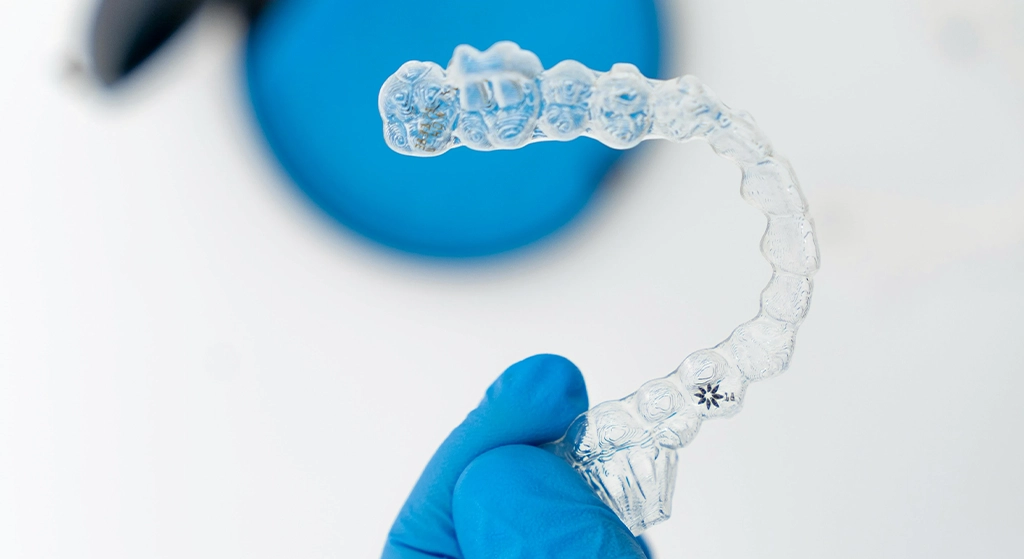
Learn when clear aligners may help, when TMJ stabilization should come first, and why diagnosis matters before treatment.
Learn More
A night guard helps some TMJ patients but worsens others. Learn why proper diagnosis and appliance design matter.
Learn More
Learn why bite changes can occur during TMJ treatment and why they often signal a healthier jaw position.
Learn MoreBook your consultation and take the first step toward real, lasting relief.
