Sleep & Airway
When airflow is strained, everything works harder, your heart, your brain, your sleep, your mood. This simple guide explains how breathing and sleep connect, and why the source of poor sleep is often the airway.

Sleep is when the body repairs itself, but only if breathing is easy and uninterrupted. When the airway is narrow or collapses during sleep, the brain has to rouse you (often without you knowing) just to take a breath.
These micro-awakenings fragment sleep, so you can spend eight hours in bed and still wake exhausted. The problem usually isn’t the amount of sleep; it’s the quality, and the airway behind it.
Rather than only managing symptoms, we look at why the airway is strained, jaw position, tongue space, nasal breathing, and the structure of the mouth and throat.
For many people, comfortable oral-appliance therapy and airway-focused care offer an effective alternative to CPAP, treating the source so breathing, and sleep, improve naturally.
Often, yes. A medical sleep study (in-lab or at-home) diagnoses sleep apnea. We work alongside physicians and can guide you to appropriate testing.
Snoring can be harmless, but it can also be the audible sign of a strained airway. It’s worth assessing, especially with daytime fatigue.
For many people with mild to moderate sleep apnea or snoring, oral appliances are highly effective and far easier to tolerate. Severity and anatomy guide the choice.
A note from our team. This article is for general education and isn’t a substitute for an individual assessment. The right path always starts with understanding your root cause. Book a consultation to talk through your symptoms with us.
Keep Reading

Sleep apnea doesn’t always feel obvious. Discover why “feeling fine” can be misleading.
Learn More
Why breathing may be the missing piece to restful nights.
Learn More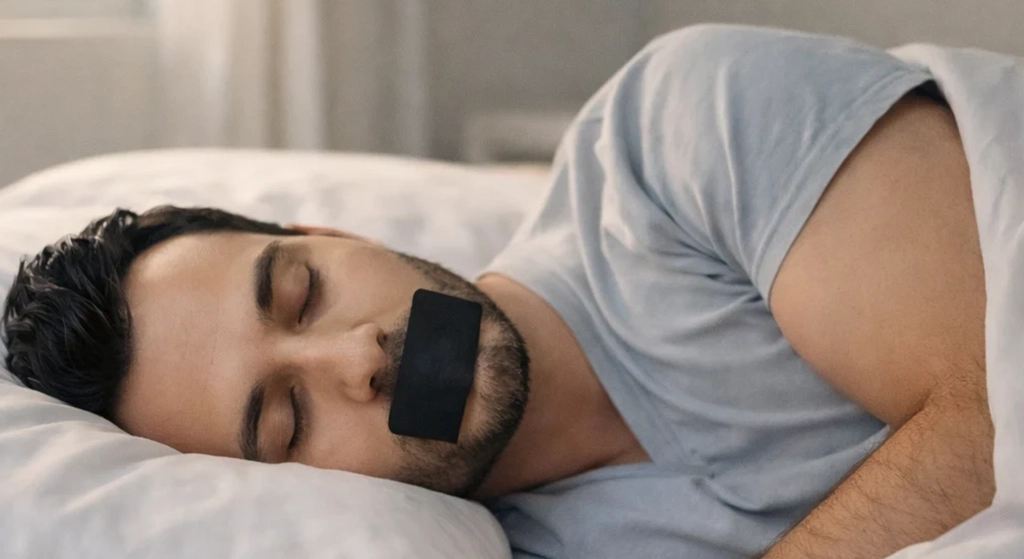
Mouth taping is a popular sleep trend, but is it safe? Learn when it helps and when it hurts.
Learn MoreBook your consultation and take the first step toward real, lasting relief.
