Sleep & Airway
Breathing may be the missing piece to restful nights. The link between your airway and your sleep is direct, powerful, and often overlooked, here’s how the two are connected.

Every breath you take during sleep depends on a clear, stable airway. The size of your jaw, the space for your tongue, the openness of your nasal passages, and the tone of the surrounding tissues all determine how easily air flows while your muscles relax at night.
When any of these is compromised, the airway narrows, breathing becomes effortful, and deep, restorative sleep becomes hard to reach.
The lower jaw and tongue sit directly in front of the airway. If the jaw is set back or the tongue lacks room, the airway has less space, particularly when you lie down and muscles relax.
This is why dentistry has so much to offer sleep: by supporting a forward, stable jaw position, we can help keep the airway open through the night.
Rather than only forcing air in (as CPAP does) or masking fatigue with caffeine, root-cause care asks why the airway is strained and addresses that directly.
For many patients, a custom oral appliance, nasal-breathing support, and, in children, guiding jaw growth can transform sleep by improving the airway itself.
Yes. By supporting jaw position and airway space, oral-appliance therapy and airway-focused care can meaningfully improve breathing and sleep quality.
Very. Nasal breathing filters, humidifies, and supports a healthier airway. Chronic mouth breathing is a sign worth assessing.
Absolutely. We collaborate with physicians and sleep specialists so your care is coordinated and safe.
A note from our team. This article is for general education and isn’t a substitute for an individual assessment. The right path always starts with understanding your root cause. Book a consultation to talk through your symptoms with us.
Keep Reading

When airflow is strained, everything works harder.
Learn More
Sleep apnea doesn’t always feel obvious. Discover why “feeling fine” can be misleading.
Learn More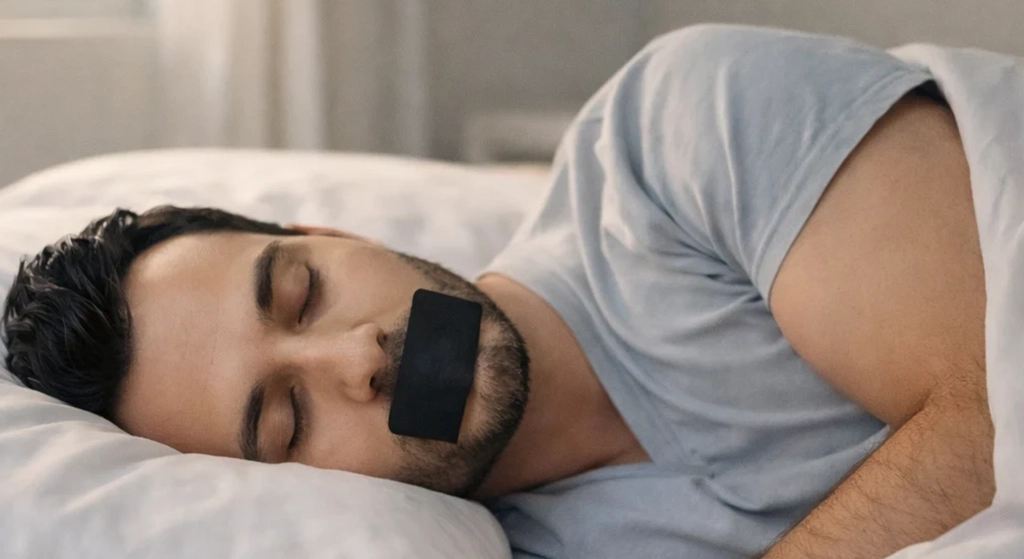
Mouth taping is a popular sleep trend, but is it safe? Learn when it helps and when it hurts.
Learn MoreBook your consultation and take the first step toward real, lasting relief.
