Surgery is the exception, not the rule
Jaw surgery has a place for a small number of specific, structural problems. But for most people with TMJ pain, clicking, and headaches, the issue is functional, how the joint, muscles, and bite work together, not something that requires cutting.
Jumping to surgery without first exhausting conservative care can mean accepting real risks for a problem that may resolve far more simply.
What conservative care looks like
Root-cause TMJ care starts with diagnosis and typically uses non-surgical tools to restore comfort and stability.
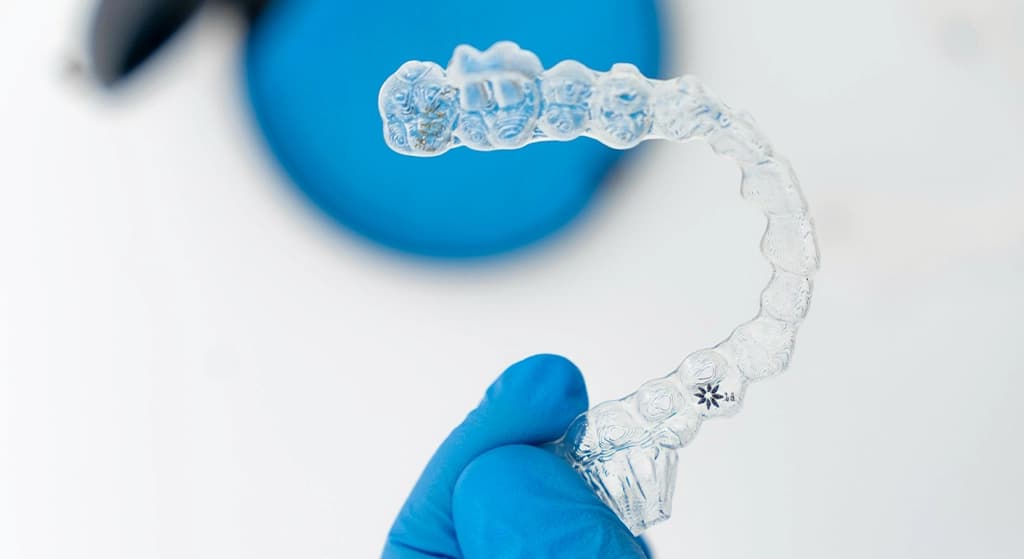
- Custom orthotic appliances to support a healthy jaw position
- Laser therapy to reduce inflammation and ease muscle tension
- Collaboration with physiotherapists, chiropractors, or other providers
- Addressing airway and breathing factors when relevant
- Phased orthodontics to stabilize a healthy bite when needed
Why we start conservative
Conservative care is reversible, lower-risk, and, done well, highly effective. It also teaches us a great deal about your jaw, which makes any future decision far better informed.
At Root Cause Dental Group, our goal is the least invasive path that gives you lasting relief. For most patients, that path never includes surgery.
Frequently asked questions
A thorough diagnosis identifies structural problems that may need surgical input. If that’s you, we’ll say so and coordinate care, but it’s uncommon.
For functional TMD, the most common type, conservative, root-cause care resolves or greatly improves symptoms for most patients.
A second opinion focused on conservative options is always reasonable before committing to a surgical path.