Jaw pain as the end of a long story
By the time jaw pain appears in adulthood, the underlying setup has often been in place for years. How the upper and lower jaws grew, how much room the airway had, and how a person breathed as a child all shape the joints and muscles that may later become symptomatic.
That’s why two people with identical-looking symptoms can need very different treatment, their stories are different.
The airway connection
When the airway is narrow or breathing is compromised, for example, chronic mouth breathing, the jaw and tongue often adapt to keep the airway open. Over time, those adaptations place extra load on the jaw joints and muscles.
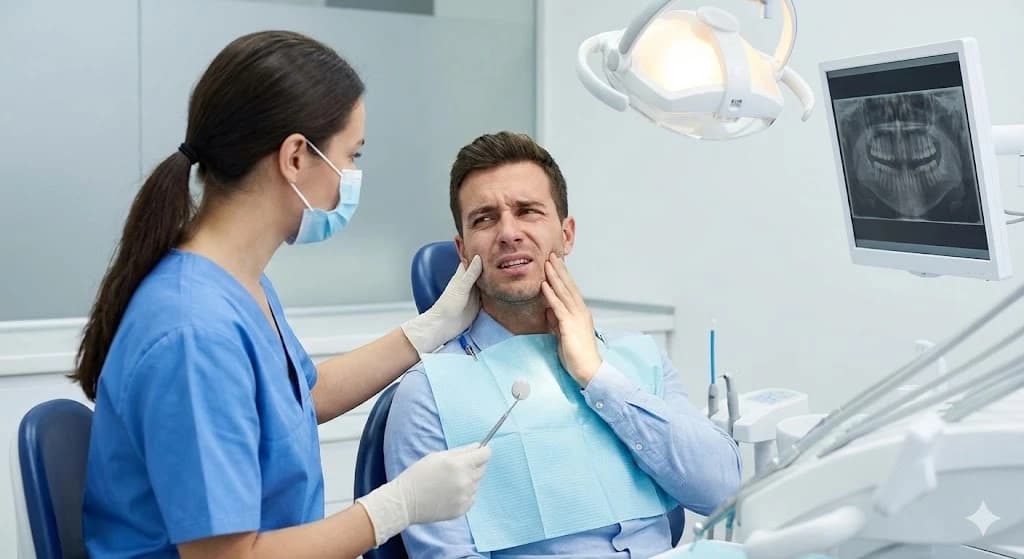
This is why we assess the airway as part of every TMJ evaluation. Treating the jaw without considering breathing can mean treating only half the problem.
Why the root-cause view changes treatment
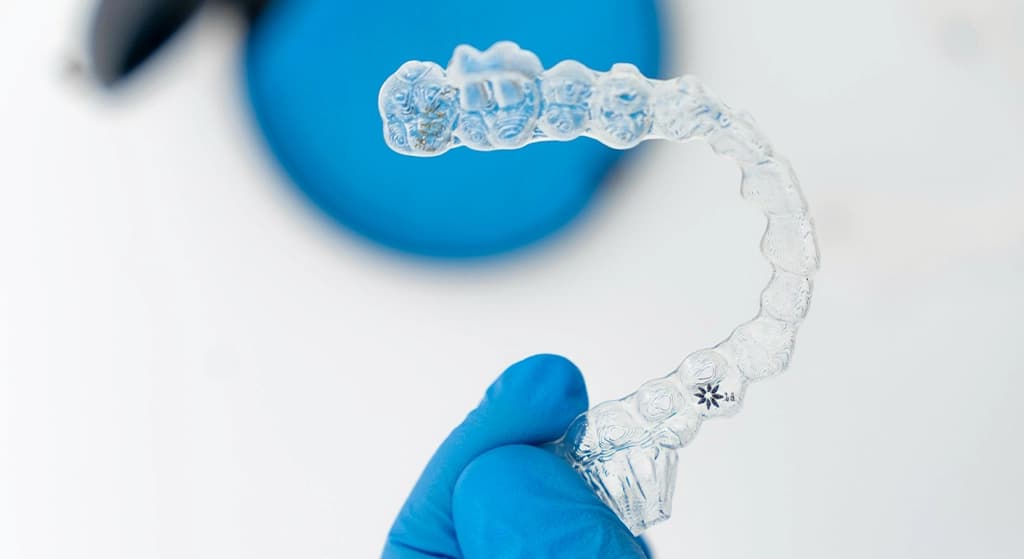
Understanding the developmental and airway roots of jaw pain lets us aim treatment at the actual source rather than the loudest symptom. For some patients that means appliance therapy; for others it includes airway-focused care or collaboration with other providers.
The result is care that addresses why the pain exists, so relief is more complete and more durable.
Frequently asked questions
No. While early intervention is ideal, adults can absolutely benefit from root-cause care that improves jaw stability and airway function.
Through a combination of clinical examination, history, and imaging when appropriate, looking at how breathing and jaw position interact.
Possibly. Early signs like snoring or mouth breathing are worth assessing, addressing them early can prevent problems later.